

By: John Bith Aliap
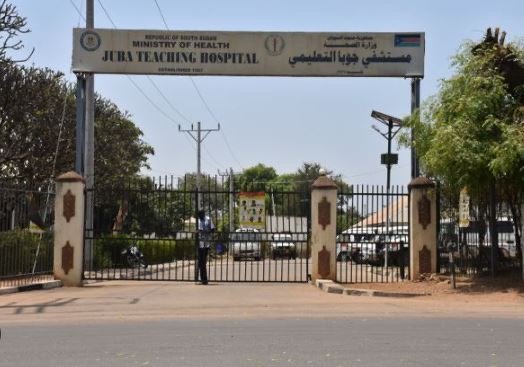
There are moments in the life of a nation when truth must be spoken plainly. The current state of Juba Teaching Hospital is one such truth. What should be the pride of South Sudan’s healthcare system has, in its present condition, become a symbol of frustration, neglect, and unrealized potential. This is not what South Sudanese citizens deserve.
The call by Prof. John Akec, Chancellor of the University of Juba, to transfer the hospital’s management to the University is both timely and necessary. It is a practical solution grounded in global best practice. It is also a test of leadership.
His Excellency Salva Kiir Mayardit should urgently direct the transfer of Juba Teaching Hospital to the University of Juba administration—for infrastructure improvement, for efficient service delivery, and for the dignity of our nation.
A country’s main referral hospital is more than a medical facility; it is a reflection of national standards. When infrastructure is crumbling, equipment is outdated, wards are overcrowded, and service delivery is inconsistent, the message to citizens is clear – you are on your own. South Sudanese deserve better.
They deserve clean wards, functioning diagnostic equipment, responsive medical staff, reliable drug supplies, and professional care delivered with urgency and compassion. They deserve a hospital that meets regional and global standards—not one that familiesapproach with fear and resignation.
Teaching hospitals across the world thrive under university administration. This model integrates patient care with medical education, research, accountability, and innovation. The University of Juba already trains the country’s doctors, nurses, and public health professionals. Yet it lacks direct control over the very hospital where these professionals practice and train. This structural disconnect limits progress.
Under university stewardship, Juba Teaching Hospital would benefit from academic oversight, performance evaluation systems, and strategic planning. Universities are structured around merit, peer review, and measurable outcomes. They attract partnerships, research grants, and international collaboration—resources that can directly improve infrastructure and service delivery. If South Sudan is serious about building long-term healthcare capacity, integration is not optional; it is essential.
The physical condition of Juba Teaching Hospital demands urgent attention. Renovation, modernization, digital systems, and expanded specialized units are not luxuries—they are necessities. A university-led administration would pursue long-term infrastructure development aligned with medical training and research priorities. Instead of short-term fixes, the hospital would operate under a strategic vision.
Infrastructure alone is not enough. Efficient service delivery depends on professional discipline, supervision, and accountability. When systems are weak, complacency grows. When standards are unclear, performance suffers.
Academic governance can change this culture. It fosters responsibility, continuous training, and measurable performance. It ensures that healthcare workers operate within a framework that prioritizes patient outcomes above all else.
President Kiir has the authority to initiate this reform. By directing the urgent transfer of Juba Teaching Hospital to the University of Juba, he would send a powerful message: that mediocrity in critical public institutions will not be tolerated.
Such a decision would not only improve healthcare services but also strengthen medical education, reduce brain drain, and elevate national pride. It would mark a turning point in South Sudan’s institutional development.
This is not about politics. It is about patients lying in hospital beds. It is about mothers seeking safe childbirth. It is about children needing emergency care. It is about restoring confidence in public healthcare.
In its current form, Juba Teaching Hospital falls far short of what South Sudanese deserve. But with bold leadership and structural reform, it can become a centre of excellence—an institution that reflects our resilience and ambition as a nation.
Mr. President, the solution is on the table. The urgency is clear. The people deserve global standards. The time to act is now.
John Bith Aliap is a South Sudanese political analyst and commentator on governance, leadership, and state-building in post-conflict societies. He can be reached at johnaliap2021@hotmail.com.
Disclaimer:
Opinions expressed by guest writers and contributors are their own and do not represent the views of Nile Gazette.
