

By: John Bith Aliap -Adelaide south Australia
In mid-February 2026, during the 39th Ordinary Session of the African Union in Addis Ababa, images circulated online showing President Salva Kiir Mayardit walking with visible difficulty as he arrived for official proceedings.
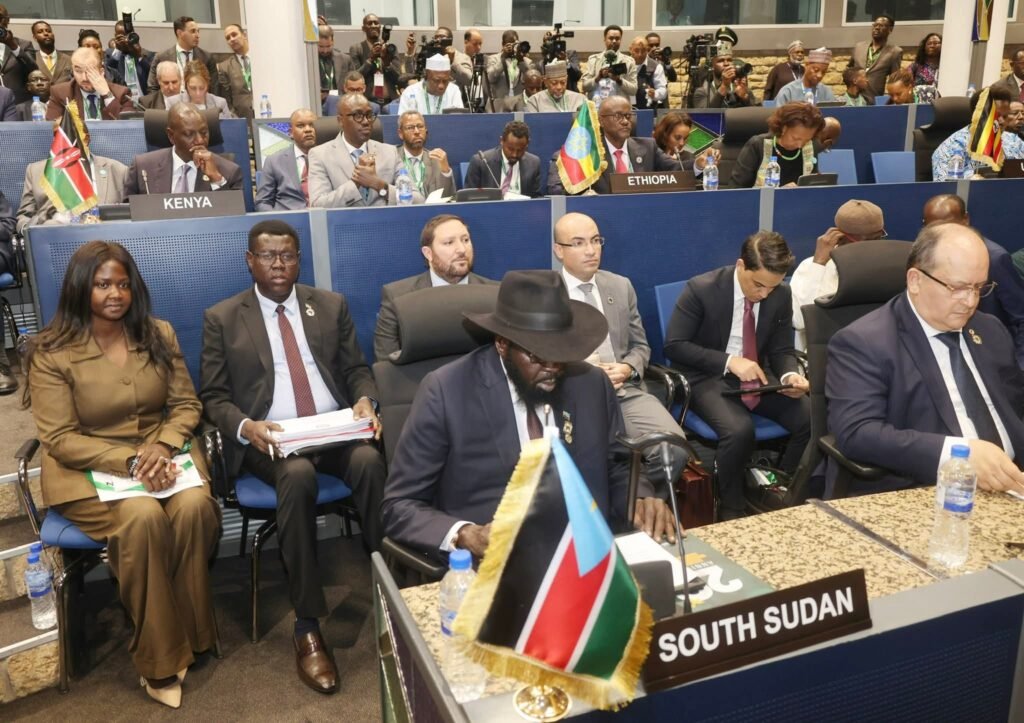
What should have been a moment of national representation at a continental summit instead became fodder for ridicule. Social media platforms were soon flooded with clips, memes, and sarcastic commentary focused not on policy, not on diplomacy, but on the President’s gait.
This trend is troubling. It demands reflection. It demands a moral response.President Salva Kiir Mayardit is not only the current Head of State; he is a central figure in the long and painful liberation history of South Sudan. For twenty-one years, he lived in the bush during the armed struggle, enduring the physical and psychological toll of war without the benefit of consistent medical care, proper nutrition, or rest.
Those who have never experienced prolonged conflict can scarcely imagine the strain such conditions impose on the human body. The bush was not a ceremonial posting; it was a battlefield. Survival itself was uncertain.When citizens mock the slow steps of an aging leader who gave the prime of his life to armed struggle, they risk trivializing the sacrifices that underpinned the very existence of the state they now inhabit. Political disagreement is legitimate. Scrutiny of leadership is necessary. But ridicule of physical frailty crosses into a different moral territory. It shifts discourse from accountability to humiliation.
The summit in Addis Ababa, convened under the auspices of the African Union, was not a private ceremony. It was a continental platform where African leaders gathered to deliberate on matters affecting millions. President Kiir’s presence there symbolized South Sudan’s participation in regional affairs. His walk into that hall was not merely a personal movement; it was a representation of a sovereign nation on the African stage.
To turn that image into an object of mockery diminishes not only the man but the country he represents.In South Sudanese culture, respect for elders is not optional; it is foundational. Age is associated with endurance, experience, and historical memory. Even in disagreement, elders are addressed with decorum.
The online ridicule witnessed after the summit appearance reflects a worrying erosion of these values. When laughter replaces empathy, and sarcasm replaces substance, something deeper than political frustration is at work.Aging is a universal human process. Physical slowing is not a scandal. Many liberation leaders across the world carried into office the physical scars of war. Years in harsh terrain, under constant stress, without adequate healthcare, leave lasting consequences.
To pretend otherwise is to ignore biological reality. The expectation that a man who spent two decades in armed struggle should move with youthful agility in his seventies is neither realistic nor fair.It is also important to draw a firm distinction between political criticism and personal derision. Citizens have every right to debate governance outcomes, economic management, peace implementation, and institutional reform. These are substantive issues deserving rigorous public engagement.
But mocking an elderly leader’s “baby steps” does nothing to advance national dialogue. It does not strengthen democratic culture. It does not offer alternatives. It merely entertains at the expense of dignity.Moreover, such mockery risks normalizing cruelty toward physical vulnerability more broadly. Today, it may be the President. Tomorrow, it may be a war veteran struggling with injury, an elderly parent coping with arthritis, or any citizen facing the natural limitations of age.
When society laughs at frailty, it sends a message that worth is measured by physical performance rather than contribution and sacrifice.There is also a historical dimension that cannot be ignored. South Sudan’s independence was not granted; it was fought for. The men and women who spent years in the bush did so under conditions that few of today’s online commentators have endured.
The absence of medical services, the constant exposure to hardship, and the demands of guerrilla warfare leave marks that are often invisible until age reveals them. To mock the visible consequences of those sacrifices while enjoying the freedoms they helped secure reflects a disconnect from history.None of this implies that leadership should be immune from scrutiny. Respect does not mean silence. It does not mean abandoning calls for generational transition or institutional reform.
It means separating critique of governance from ridicule of humanity. It means upholding a standard of discourse that reflects the moral order we claim to value.The digital age has amplified expression, but it has also weakened restraint. Behind screens, empathy can fade. Yet national character is not suspended online. The way citizens speak about their leaders, especially in moments of vulnerability, reflects the ethical fabric of the society.President Salva Kiir Mayardit will ultimately be judged by history for his leadership decisions, achievements, and shortcomings.
That is inevitable. But as citizens, we too are writing our own historical record through our conduct. When we choose mockery over respect, we define ourselves in ways that outlast a viral clip.If South Sudan is to mature as a nation, its public discourse must mature as well. Respect for elders, acknowledgment of sacrifice, and preservation of human dignity should not depend on political alignment. They should be constants.
In defending the dignity of an aging leader at an African Union summit, we are not merely defending one individual. We are affirming the moral boundaries that protect us all.
Disclaimer
Opinions expressed by guest writers and contributors are their own and do not represent the views of Nile Gazette.
