

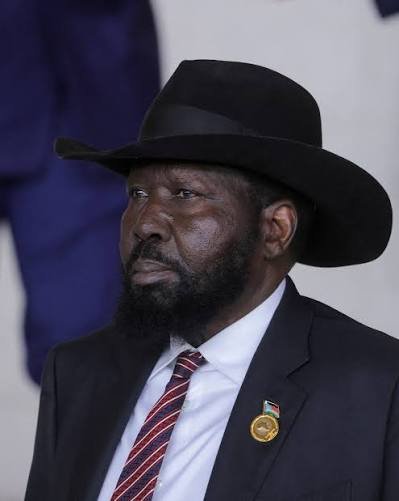
JUBA, South Sudan
South Sudanese President Salva Kiir Mayardit has dismissed 47 lawmakers affiliated with the opposition SPLM-IO party, escalating political tensions within the country’s fragile transitional government following a parliamentary boycott over proposed amendments to the 2018 peace agreement.The dismissals were announced through a presidential decree issued under Article 106A(2)(a) of the Transitional Constitution.
The decree revoked the appointments of members of the Transitional National Legislative Assembly (TNLA) aligned with the SPLM-IO, the main opposition movement led by detained First Vice President Riek Machar.Among those removed from parliament were Achol Thomas Dak, Achol Ahmed Alnuor, Andrew Koang Ruon, Angelina Nyibol Thuch, Anna Doki Matayo, Ajang Ahmed Alnuor, Arkangelo Kanewe Minawe, Athian Madut Malulli, Awuol Ayei Mayen, Benjamin Anyang Keji, Chaguor Ater Bol, Daud Juma Asko, Deng Dewel Dhieu, Dier Manyuom Dier, Elizabeth Acuei Yol, Elizabeth James Bol, Eng. Juma Zachariah Deng, Giel Thou Nvuot, Gordon Long Lam, Grace Thomas Kume, Hellen Ngaldok Lukurinyang, Isaac Khamis Paul, Jackline Benjamin Lado, Jackline Mathew Gaza, John Atak Garang Machar, Jok Jak Jok Yom, Juliano Danga Dudu, Kuot Akec Thokluoi, Martha Akon Deng, Martha Nyanaath Chot, Martha Nyanasir Chuol, Martha Nyanuba Simon, Martin Mabil Kong, Mary James Kongkong, Michael Tot Ruot, Nelson Uthou Ungang, Nhial Bol Aken, Nyanchlew Lul, Oreste Lopara Simon, Peres Nuba Chatim, Peter Gatkuoth Moyong, Phillip Ayul Ahwong, Phillip Aywok Akol, Reglina Garang Yut, Rogya Nawar Musa, Samson Amule Michael, Teresa Anthony Tiklmo and Wazime George Kandi.
In a separate decree, Kiir appointed 47 replacement lawmakers drawn from a rival SPLM-IO faction, signaling a further shift in political alliances within the unity government.The sackings followed a dramatic walkout by SPLM-IO legislators on May 11 during parliamentary proceedings. Lawmakers loyal to Machar protested proposed amendments to the Revitalized Agreement on the Resolution of the Conflict in South Sudan, arguing that the changes threatened key provisions of the 2018 peace accord that ended the country’s five-year civil war.
Political tensions have continued to intensify in recent months as members perceived to support Machar have increasingly been replaced by politicians aligned with a rival SPLM-IO faction headed by Peacebuilding Minister Stephen Par Kuol. Kiir’s administration now recognizes Kuol’s faction as its principal peace partner.The proposed amendments have also sparked concern among international stakeholders monitoring South Sudan’s peace process.
The Reconstituted Joint Monitoring and Evaluation Commission (RJMEC), the body overseeing implementation of the agreement, warned that any changes to the peace deal must involve consultation and consent from all signatory parties, including Machar’s SPLM-IO faction.The latest developments raise fresh fears over the stability of South Sudan’s transitional government and the future of the already fragile peace process.
