

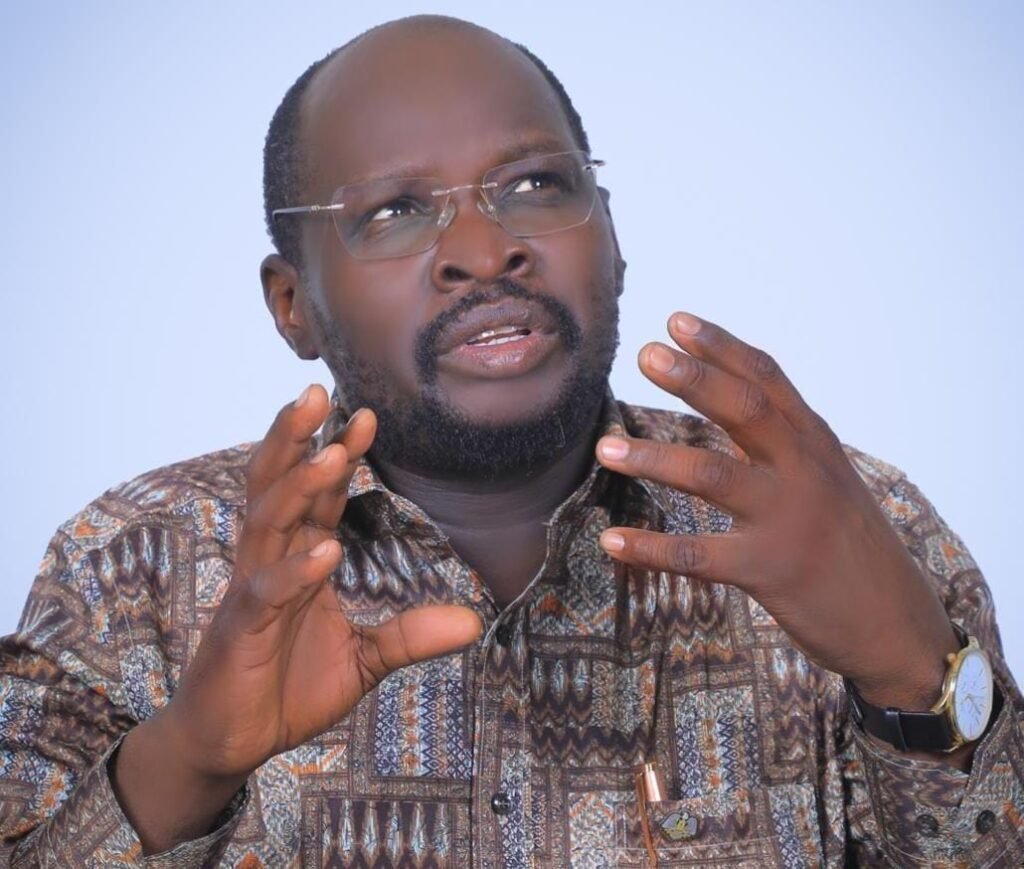
Juba — Wednesday, 4 February — Hon. Stephen Lual Ngor, a Member of the Transitional National Legislative Assembly (TNLA), has affirmed that procedures surrounding the 2025–2026 national budget are progressing steadily and in full accordance with the Constitution and parliamentary regulations, despite what he described as misleading claims circulating in the public domain.
Hon. Lual stressed that approval of the national budget is critical to the payment of public servants’ salaries, the continuity of government services, and the strengthening of economic stability.
He explained that the TNLA received the financial statement presented by the Minister of Finance and Economic Planning in line with standard parliamentary procedure and without debate. The draft budget was subsequently referred to the Standing Committee on Finance for technical and legislative review before being forwarded to the relevant sectors in preparation for the second and third readings.
According to Hon. Lual, the process has completed the first-reading stage, noting that referral to the Finance Committee constitutes approval at first reading only and does not amount to final parliamentary approval.
He emphasized that final approval can only be granted after completion of all constitutional stages, including committee review, presentation of the committee’s report to the plenary, general debate, and a final vote.
Hon. Lual urged the public and stakeholders to avoid confusing the financial statement with the Budget Law, warning that misinformation undermines confidence in constitutional institutions. He reaffirmed that the TNLA will approve the 2025–2026 national budget within the prescribed timelines and continue to discharge its constitutional responsibilities.
He concluded by noting that the process aligns with the directives of H.E. President Salva Kiir Mayardit to strengthen fiscal discipline ensure timely payment of salaries sustain public services, promote economic stability and support the successful conduct of general elections in the national interest.
