

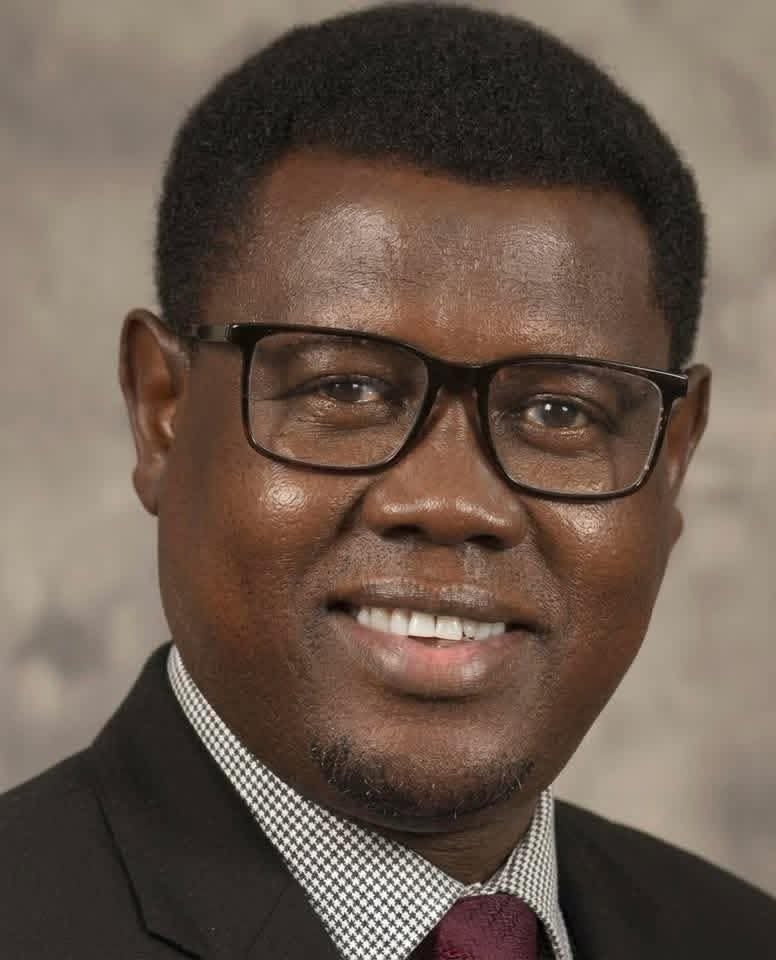
Juba | April 29, 2026
South Sudan’s president has dismissed the country’s foreign affairs minister in a sweeping cabinet reshuffle announced on state television, a move analysts say highlights growing concern over the nation’s diplomatic performance.
The former minister, who had been in office for about a year, was replaced by a seasoned diplomat who previously held the same portfolio and most recently served in a regional envoy role. The leadership change comes at a time when the government has been attempting to strengthen ties with key international partners, including renewed outreach on trade and investment opportunities.Although no official reason was provided for the dismissal, political observers suggest the decision reflects dissatisfaction with the country’s recent diplomatic engagements.
According to analysts, tensions during high-level regional meetings and limited progress in advancing foreign policy priorities may have contributed to the shake-up.Experts further argue that the change points to broader structural challenges within the government, including weak coordination and a lack of clear strategic direction in international relations.
They say the reshuffle could be an effort to recalibrate foreign policy and bring in more experienced leadership to handle complex diplomatic pressures.The incoming foreign minister is expected to focus on rebuilding South Sudan’s credibility on the global stage. Activists and commentators emphasize that restoring trust with international partners will be critical, particularly as the country seeks foreign investment and support for economic recovery.
Strengthening bilateral and regional cooperation is also likely to be high on the agenda.While the cabinet changes extended beyond the foreign ministry—affecting senior security officials and other ministers—analysts stress that the removal of the foreign minister stands out as the most consequential.
They note that effective diplomacy will play a central role in addressing the country’s ongoing political and economic challenges.The reshuffle comes against the backdrop of a fragile peace agreement that continues to face delays in implementation. Observers say that improving external relations and internal governance will be essential to stabilizing the country and maintaining international backing.
Overall, analysts and activists view the leadership change at the foreign ministry as a clear signal that the government is seeking to reset its diplomatic approach and respond to mounting pressure to deliver more effective engagement on the global stage.
